If you read the first Newsletter/Blog post, you already know about my fascination with the Victorian Language of Flowers. The idea that there was a whole language around flowers during the Victorian Era, where people would give flowers to express their thoughts and feelings about pretty much anything, is crazy and sort of romantic in its own right.
Sending someone flowers to tell them “I love you” is one thing, but sending flowers to someone to tell them to “bugger off” is another, ha!
I decided to highlight Sunflowers this month, because they fit right in with the theme of the Sun, and with the celebration of Lammas/Lughnasadh (Click here to read more about that).
Once you sort of get the backstories, history, and all the meanings behind all the things you might incorporate into your manifestations or magical workings, or even just everyday life, it makes the energy and magick of it that much more meaningful and powerful. So I hope you enjoy exploring these things with me in all these unconventional ways.
There truthfully isn’t a lot about Sunflower as far as the Victorian Language goes. But there certainly is when viewed as an herb in ritual work and magical uses. So I’ll go ahead and highlight both in this post, rather than doing a separate one for just the magical and medicinal uses.
The Victorian Language of The Sunflower
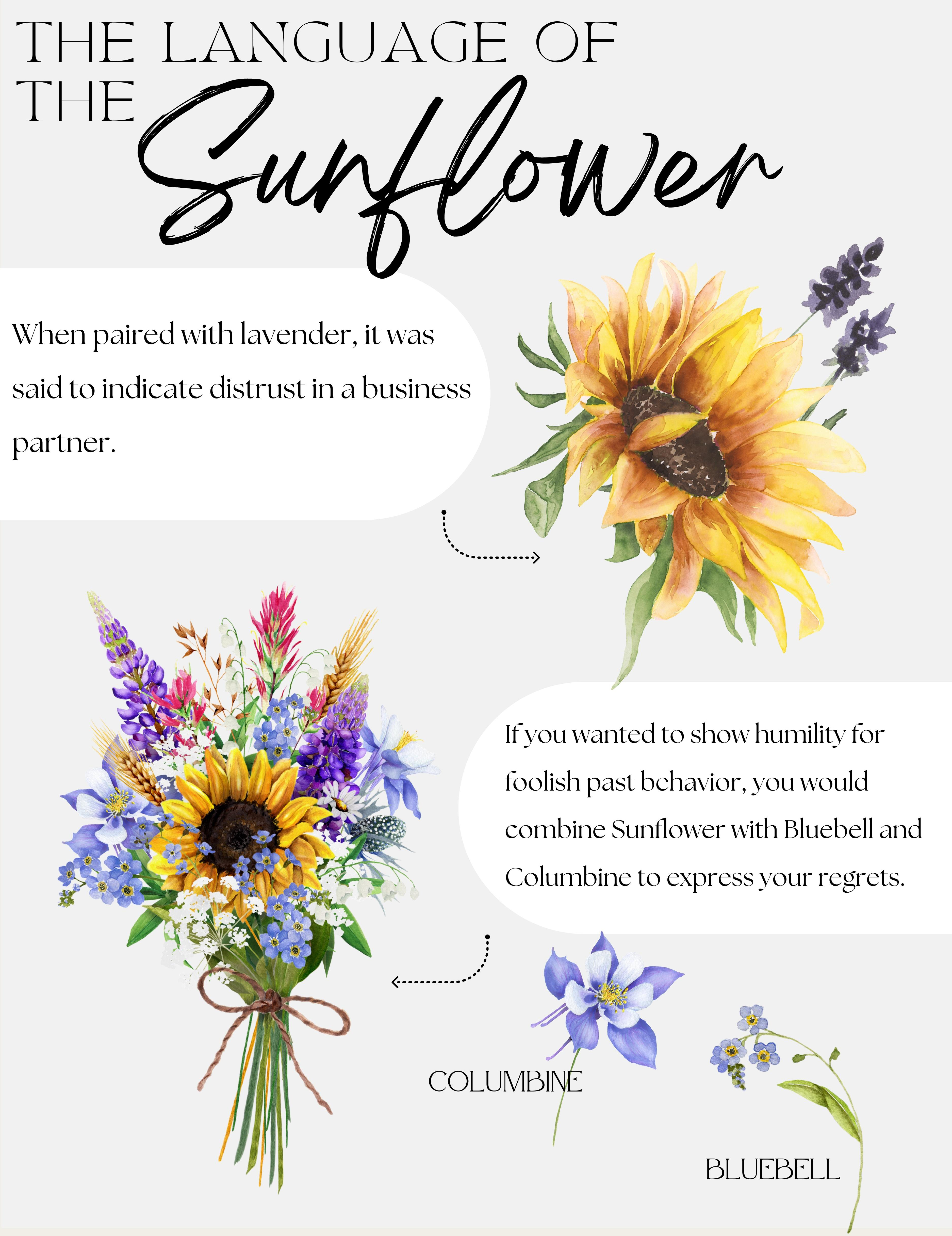
Let’s start with the Victorian Language of the Sunflower. As I said, it’s not much, but what a beautiful way to tell your business partner you don’t trust them!
And isn’t that such a lovely way to tell someone you are sorry for bad behavior? I might have to apologize for some things to my husband just so I can have these pretties in my house! *wink wink*
Meaning and History of Sunflower
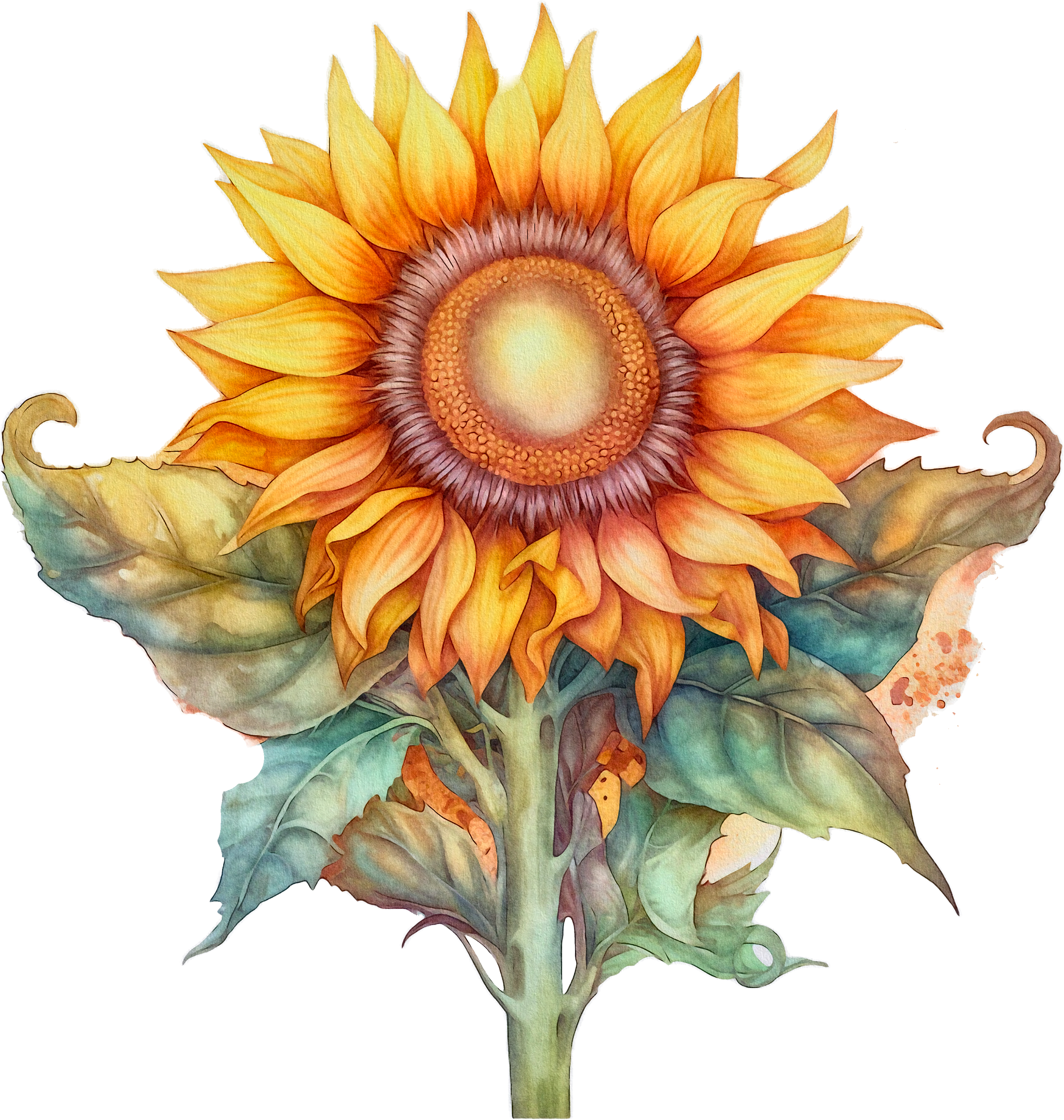
The Sunflower (Helianthus Annuus) gets its name from its resemblance to the Sun. From its beautiful golden-yellow petals fanning out like sun rays, to its natural ability to follow the sun as it treks across the sky.
Sunflower is considered a Heliotrope which means it will turn to face the sun and follow it across the sky until it comes into full bloom.
Historically, the ancient Inca tribe of South America held the Sunflower in high regard. They believed it to be a symbol for their Sun God “Inti” and they would adorn themselves in jewelry shaped like Sunflowers, and decorate their temples with Sunflower art and carvings.
The first Spaniards to arrive in Peru in the sixteenth century thought the vast fields of Sunflowers were actually, literally Gold. When they found that the colorful fields were actually just flowers, they dubbed the Sunflowers with the meaning of “False Riches”.
Today, Sunflowers are known to represent Faith, Happiness, Loyalty, Adoration, Self Respect, Vitality, and Intelligence, just to name a few.
Magical & Medicinal Uses for Sunflower
There are many magical and ritual uses for Sunflower, and a handful of medicinal ones.
Most of the medicinal benefits of Sunflower come from its oil. This oil makes a great “carrier’ oil for various other plant oils, with its ability to soothe the skin, and help it to absorb the healing benefits of whatever it is paired with.
In folk medicine, it was a common practice for women wishing to become more fertile, to eat Sunflower seeds.
Making a tea from the dried petals was used to combat the flu, as it has astringent, diuretic, and expectorant properties.
Poultices were made for treating bug bites, snake bites, and sores or swelling.
In folk magic, it is said that if you cut a Sunflower in half at sunset while making a wish, the wish will come true before the next sunset, as long as the wish isn’t too big.
Growing Sunflowers in your garden will bring you luck, and ward off any pests.
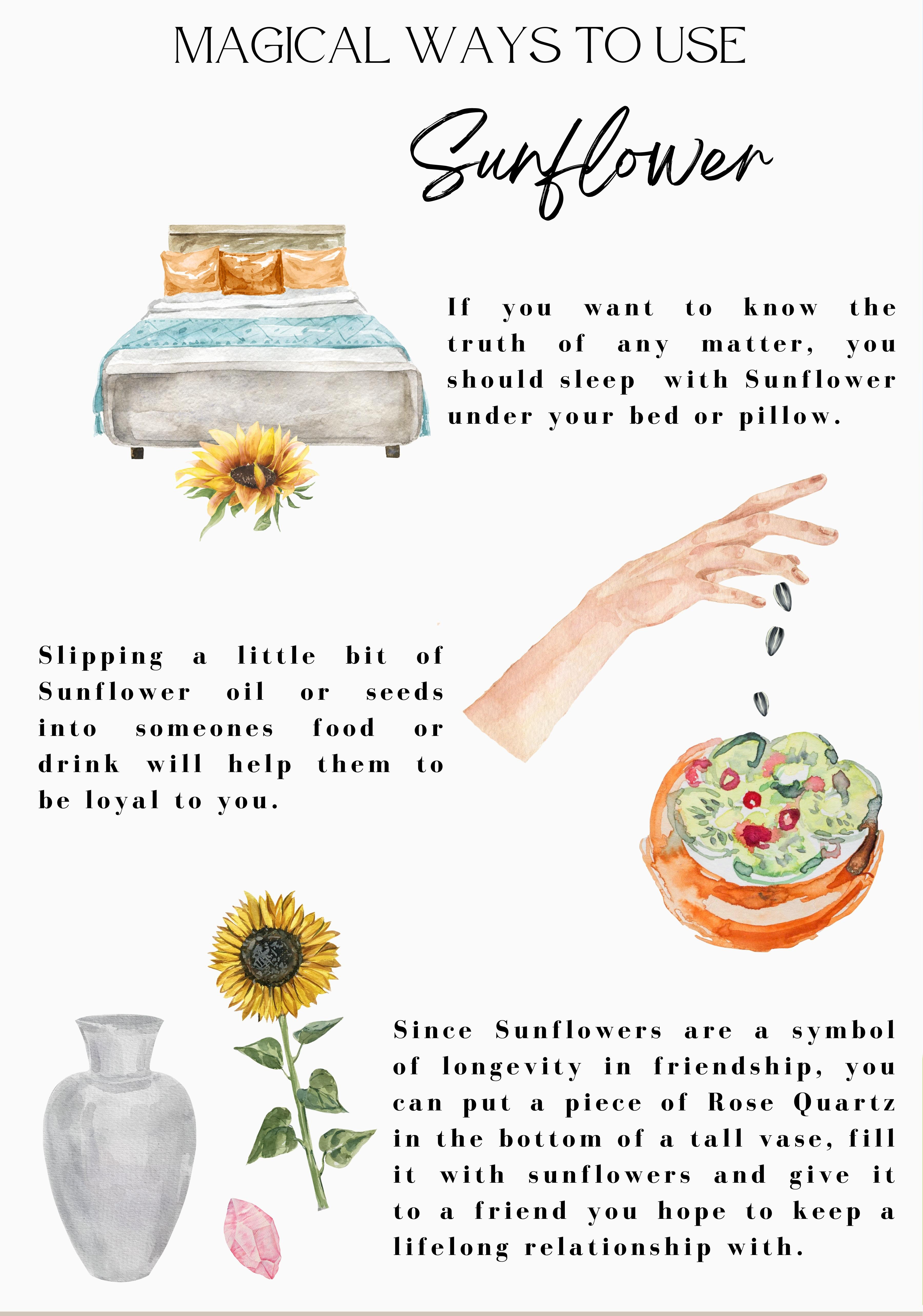
If you plan to celebrate Lammas/Lughnasadh, be sure to decorate your altar space or home with Sunflowers! Afterwards, you can use them for some of the above magical or medicinal workings.
If you have any folk magic or medicinal spells or recipes containing Sunflower, be sure to share in the comments!
Be well, Rey
References:
Encyclopedia of Magical Herbs by Scott Cunningham
A Victorian Flower Dictionary by Mandy Kirkby
Floriography by Jessica Roux
Plant Witchery by Juliet Diaz
Moody Moons website
 Ink & Amethyst